

Why Patients Cross Continents: The Human Story Behind Abeer Saqer and Memorial International Patient Care Network

When patients travel across oceans for medical care, the journey is rarely defined by logistics alone. It is shaped by uncertainty, hope, and the emotional weight of searching for options that feel out of reach at home. According to Abeer Saqer, CEO of Memorial International Patient Care Network (MIPCN), for many families traveling from the Middle East to the United States, this decision reflects a belief that crossing the distance may be the bridge to the care they need. “The process can these moments, the presence of someone who understands both the medical landscape and the human experience behind it becomes essential.”
For years, Saqer has supported patients who arrive in the United States facing some of the most difficult chapters of their lives. Her work focuses on helping families find structure in a system that can feel complex from the outside. “Patients and families are already carrying so much,” she says. “My role is to help them feel safe, informed, and supported from the moment they step into this journey.”
According to Saqer, the motivation behind medical travel from the Middle East varies widely. Some families seek treatments in oncology, advanced surgery, or highly specialized evaluations. Others pursue multidisciplinary care that brings several specialties together to form a cohesive plan. “In many cases, diagnostic technologies, molecular insights, or specialized testing available in certain centers abroad guide a patient’s decision to travel,” she explains. “Whatever the reason, the emotional stakes remain consistent: families want clarity, reassurance, and the sense that every possible avenue has been explored.”
For patients arriving from abroad, navigating the early steps of the U.S. healthcare process, collecting medical records, obtaining second opinions, securing consultations, and coordinating schedules can be daunting. Saqer’s work begins long before a patient boards a plane. She reviews medical files, communicates with clinical teams, and facilitates the process of connecting patients with specialists whose expertise aligns with the case. Her team also assists with embassy documentation and financial coordination, ensuring families understand each step without feeling overwhelmed by paperwork or procedural differences.
At the heart of her work is a commitment to cultural understanding. “Many patients worry about communication barriers or whether their concerns will be interpreted accurately in a foreign setting,” Saqer says. She bridges those gaps through language, context, and an awareness of the cultural nuances that shape how families process information and make decisions. She explains that this is often as important as the medical coordination itself. “People need to feel heard,” she notes. “They need to know that their fears, their questions, and their hopes matter in every conversation.”
From her perspective, the human side of this work is impossible to overlook. “Behind each case file is a story,” she explains. “A parent trying to stay strong for a child, a spouse carrying hope for their partner, a young adult confronting a diagnosis they never expected.” These moments, Saqer believes, require more than administrative assistance. They require presence. “In my mind, I’m always thinking about how to ease their path,” she says. “They should not feel alone, not even for a moment.”
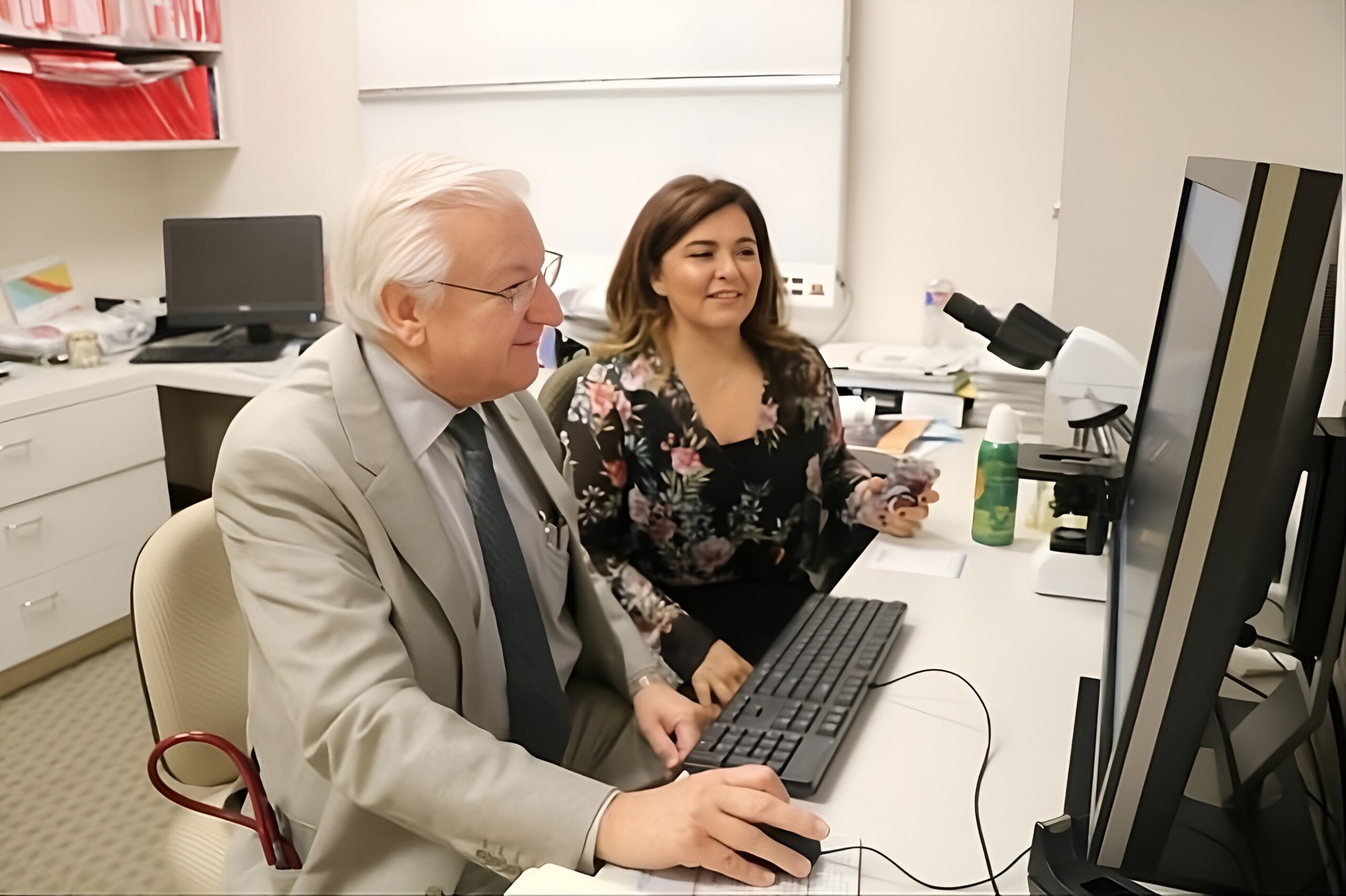
Her sensitivity to patients’ emotional and cultural needs is shaped by nearly three decades of experience across healthcare settings. Before leading MIPCN, she worked in clinical environments that exposed her to the complexities faced by international patients. Those early encounters shaped her belief that patient care must extend beyond medical charts and clinical data. It must also include guidance that helps families remain grounded while navigating unfamiliar territories.
Today, as her work continues to evolve, Saqer’s focus stays on clarity and continuity. She emphasizes that every case involves multiple moving parts, from specialists, diagnostic teams, rehabilitation services, and follow-up care. Her approach centers on ensuring that nothing is overlooked and that families feel supported through each phase of care.
Saqer sees her work as a responsibility rooted in trust. “Families put their faith in the entire journey,” she says. “It is my duty to honor that faith by making sure they feel guided, respected, and understood along the way.”
For the patients who travel great distances, the experience is not just about accessing medical expertise. It is also about finding reassurance during one of the most vulnerable moments of their lives. Through her work at Memorial International Patient Care Network, Abeer Saqer offers that reassurance, helping families turn a journey filled with uncertainty into one shaped by clarity, compassion, and steady guidance.
